The Essence of Shaolin
Born in China’s ancient temples, it forged warriors who fought as monks and monks who conquered themselves first.

Shaolin Roots
The Shaolin Temple, founded in the 5th century, grew into a legendary home of Kung Fu, meditation, and disciplined living. Over time, it developed practices like Qi Gong, Tai Chi, Chin Na, and Sanda—each building strength, focus, and well-being. Today, Shaolin training welcomes people of all ages, offering a path to better health, self-defense, personal growth, and inner calm.
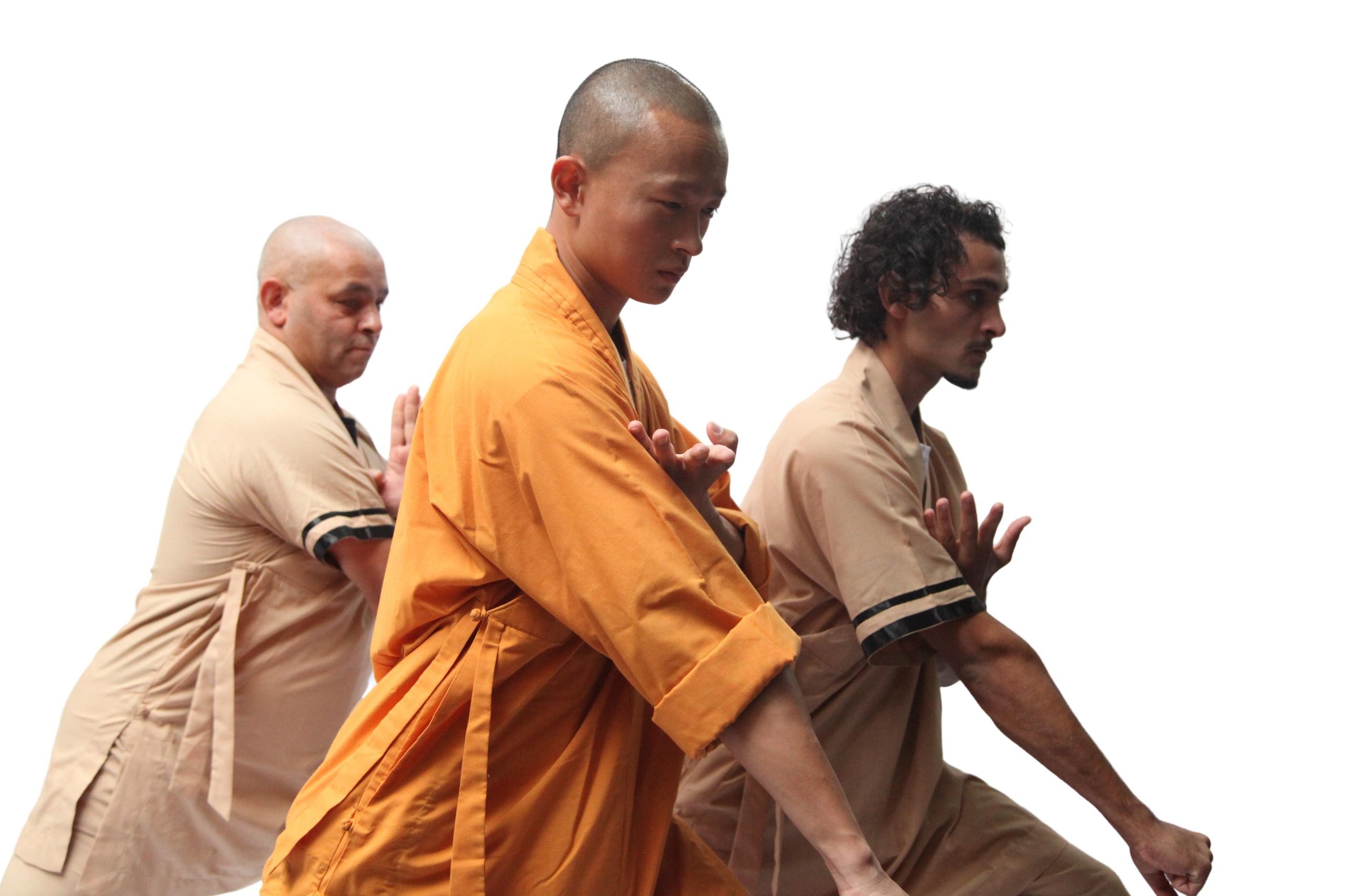
Echoes of courage across centuries
The Shaolin story is carved in stone and spirit, a testament to human resilience. Each generation carries forward the flame of wisdom passed down through generations of warrior monks.
Philosophy & Roots
It is a living tradition that adapts across cultures and generations, offering strength, peace, and balance to anyone willing to walk the path.
Shaolin Tradition
Origins
The heart of Shaolin lies not only in martial skill but in its deep philosophy and holistic approach to human development. Rooted in Chan Buddhism, martial discipline (Wu), and healing arts (Yi), Shaolin integrates body, mind, and spirit into a unified path of cultivation.
From its origins in ancient China to its modern practice across the world, Shaolin continues to inspire with its balance of discipline,
compassion, strength, and wisdom.
History of Shaolin
The Shaolin Temple was founded in 495 CE at the foot of Songshan Mountain in Henan Province, China. Established as a Buddhist monastery, it soon became the renowned center for Chan (Zen) Buddhism and martial discipline.
Origins and Bodhidharma
Damo
In the 6th century, the Indian monk Bodhidharma (Damo) arrived at Shaolin. He introduced Chan meditation practices and exercises to strengthen the monks’ bodies for long hours of stillness. These early forms of movement and breathwork evolved into the seeds of Shaolin Kung Fu.
Warrior Monks
Monastic Warriors
Shaolin monks became known not just for their spiritual practice but for their martial skill:
Tang Dynasty (618–907): Shaolin monks aided Li Shimin (later Emperor Taizong) in battle, earning royal patronage.
Ming Dynasty (1368–1644): Shaolin monks defended China’s eastern coast against pirates, demonstrating mastery of the staff and sabre.
Survival and Renewal
Endurance and Restoration
Over centuries, the Temple endured wars, fires, and political upheavals, yet its teachings survived. Today, under Abbot Shi Yongxin, Shaolin has been revitalized and recognized as a UNESCO cultural heritage, with its philosophy and martial arts practiced worldwide.
Internal Arts & Qi Gong
Unity of Internal and External
Shaolin philosophy is built on integration: the harmonious development of body, mind, and spirit.
Body – strengthened through Kung Fu, stances, forms, and weapons; nourished by diet, medicine, and Qi Gong.
Mind – sharpened through meditation, repetition, and focus; trained in discipline and clarity.
Spirit – cultivated through Buddhist philosophy, community, and the practice of compassion and awareness.