Shaolin Weapons
Shaolin staff ancient martial tradition
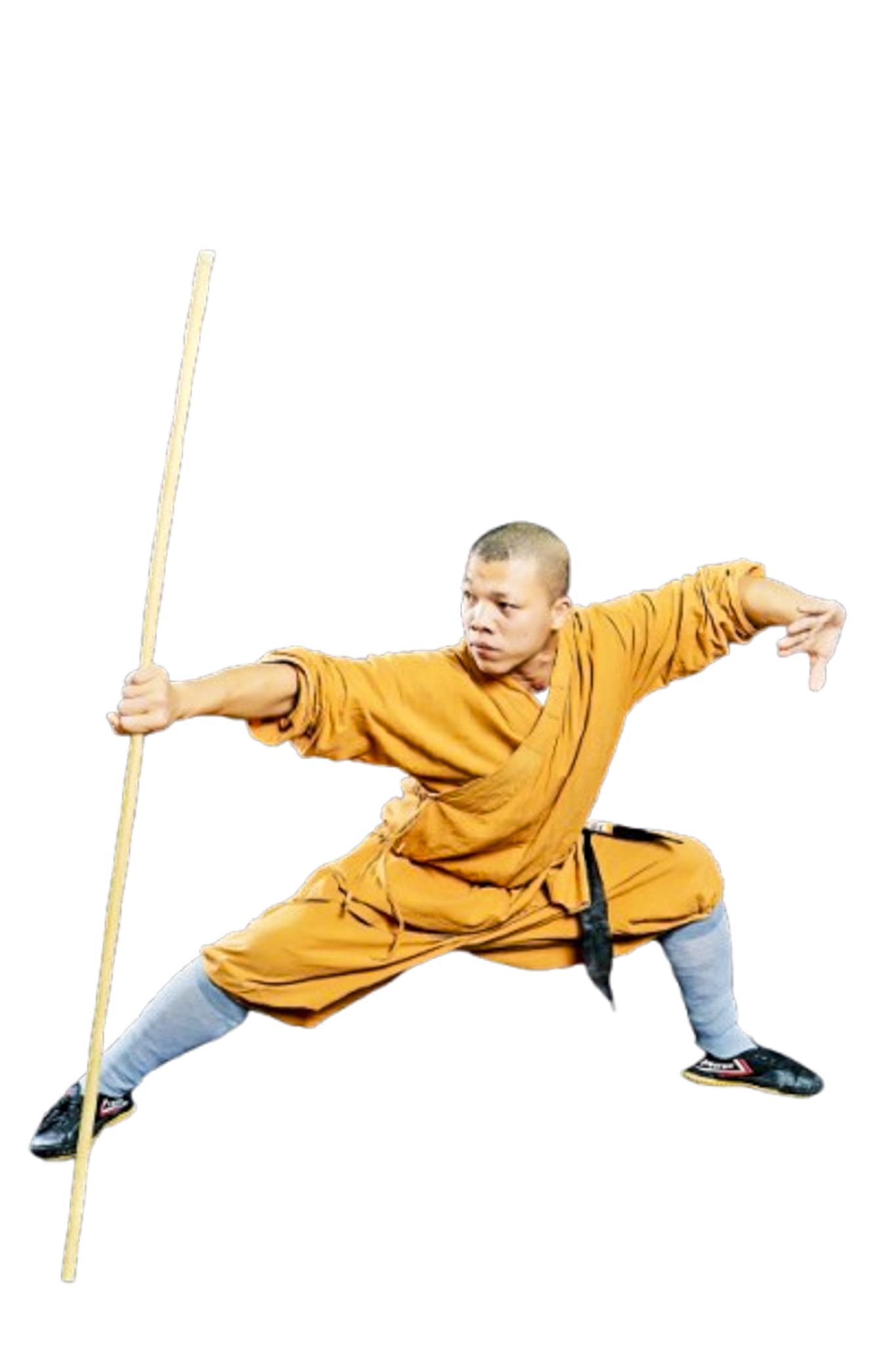
The staff, the most celebrated weapon of Shaolin Kungfu, is the initial weapon utilized in the early stages of Kungfu training. According to legend, Kinnara, a firefighter at the Shaolin Temple, defended the temple from attacks by the Red Scarf army during the late Yuan dynasty, originating several staff techniques. Later, during the mid-Ming Dynasty, monk soldiers fought against pirate invasions along the southeastern coast and garnered significant praise for their efforts. Since the Ming dynasty, staff techniques have been preserved in a structured form of movements. The book "Shaolin Staff Technique of Chan School," authored by Cheng Chongdou, is considered a classic regarding Shaolin staff techniques. Notable examples of staff techniques include the Shaolin Wind & Fire Staff, Yin Shou Staff, Short Staff, Big Yaksha Staff, Fire Staff, and Monkey Staff, among others.
Shaolin sword art
Sword techniques refined through centuries of martial practice
Sword techniques of masters
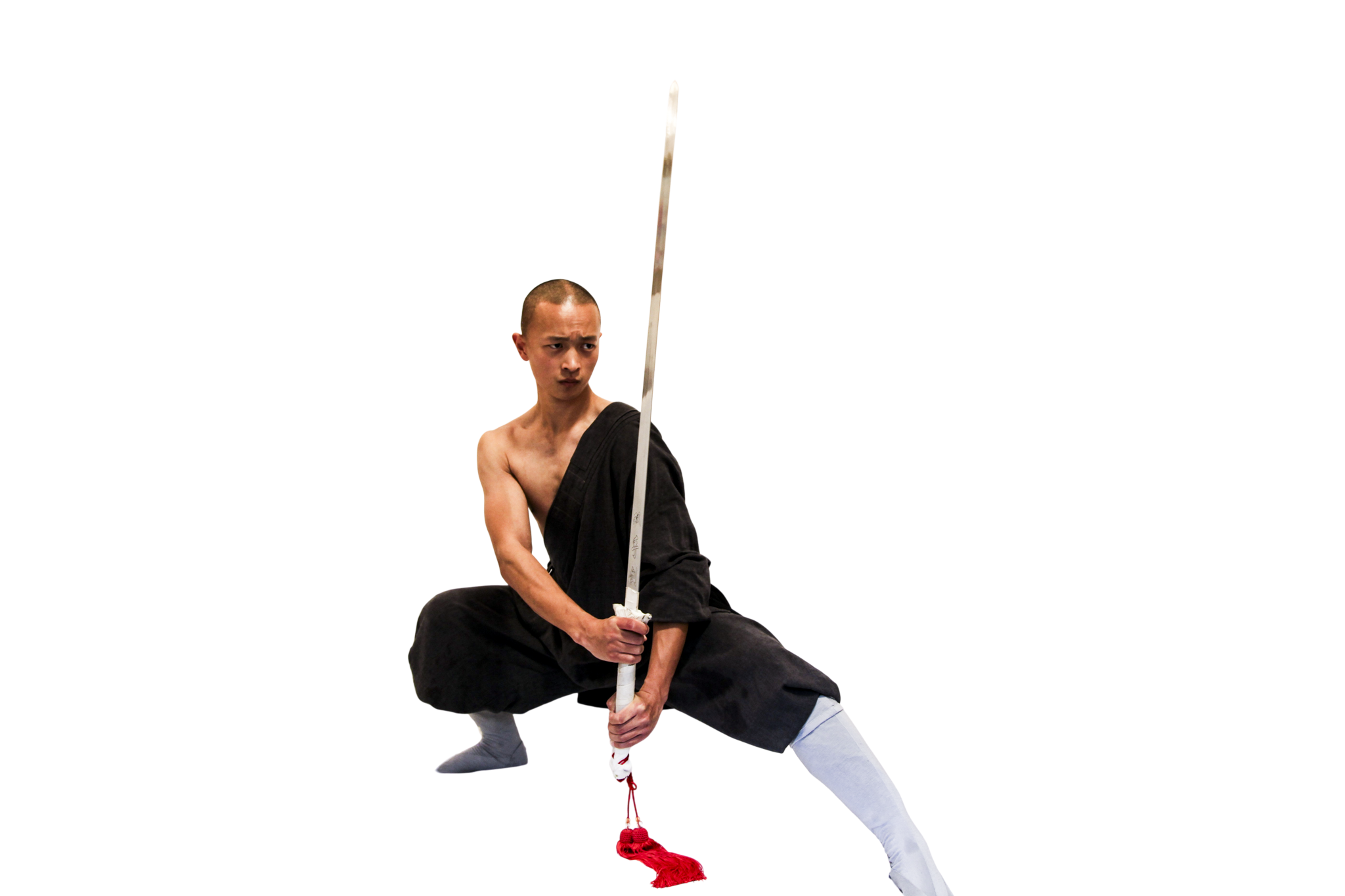
Sword is one of the most commonly used weapons by Shaolin monks, but also a very representative weapon of Shaolin Eighteen Weapons. During a visit to Shaolin Temple, Wen Fengxiang, a personality in Ming Dynasty, saw 60 monks practiced not only Quan skills, but also sword skills. Gongding also depicted the scene as "Sword and dagger-axe shining each other" after seeing the Shaolin martial arts. It is a typical illustration of Shaolin monks practicing sword in Ming dynasty, and also suggests that Shaolin sword skills were generated during this period. Representative forms of sword techniques: Shaolin Qian Kun (Heaven and earth) Sword, Plum-Blossom Sword, Jiu Gong (Nine palaces) Sword, Ba Xian(Eight immortals of ancient figures) Sword, Dharma Sword, etc.
Shaolin hammer ancient weaponry
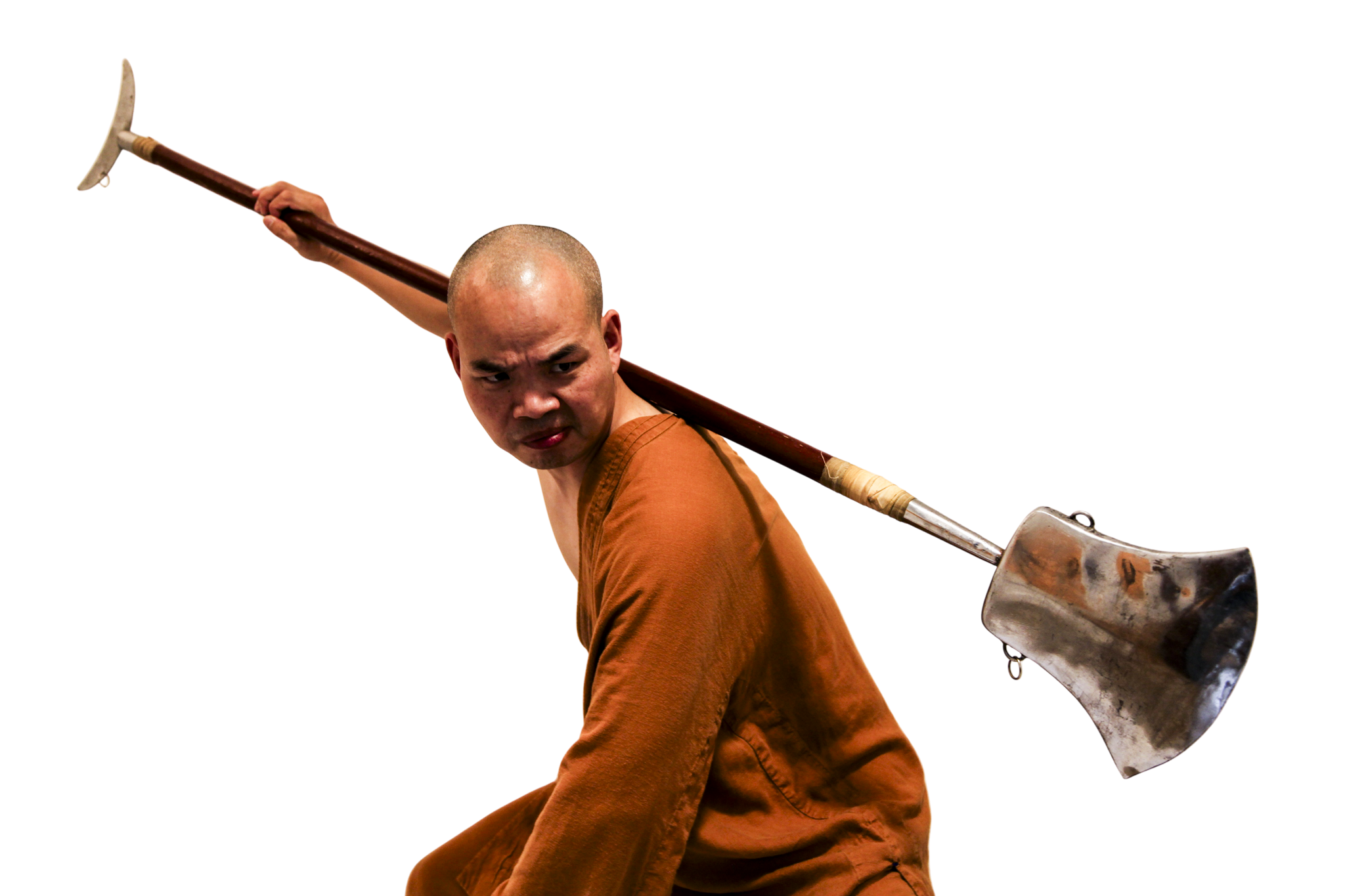
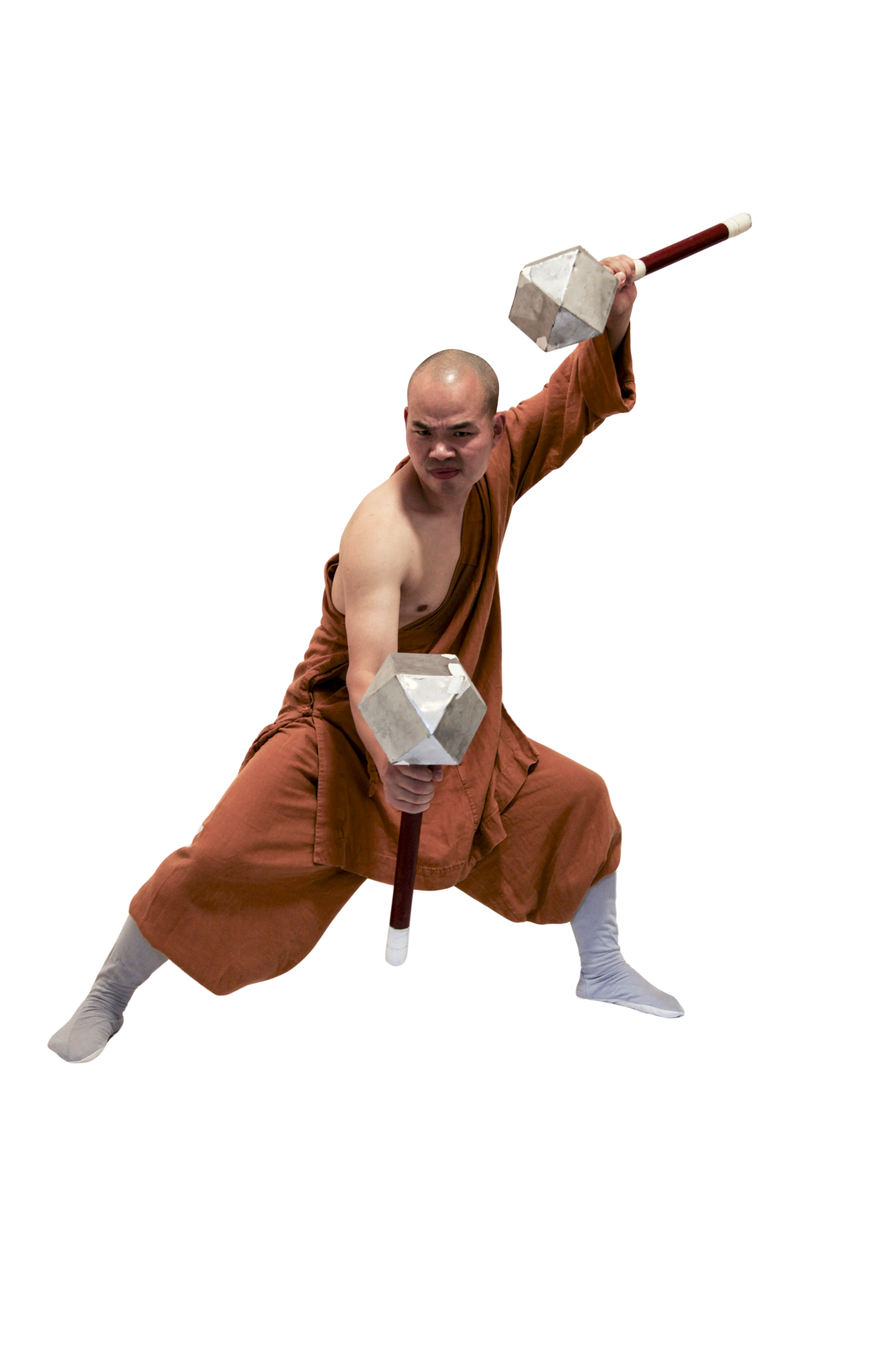
The hammer is one of the oldest weapons. It can be categorized into types such as long-handled hammers, short-handled hammers, chain hammers, and also as hard or soft hammers. Each type has unique features that determine its uses. The long-handled hammer is typically used alone, whereas the short-handled hammer is generally heavier and often used in pairs; the soft hammer requires skillful application. The Shaolin Copper Hammer measures 2.5 chi (a Chinese measurement, where 1 chi equals 1/3 meter) and is typically used by warriors.
Long hammer techniques require balance
Short hammer demands precision
Chain hammer requires fluid movement
Shaolin sabre martial heritage
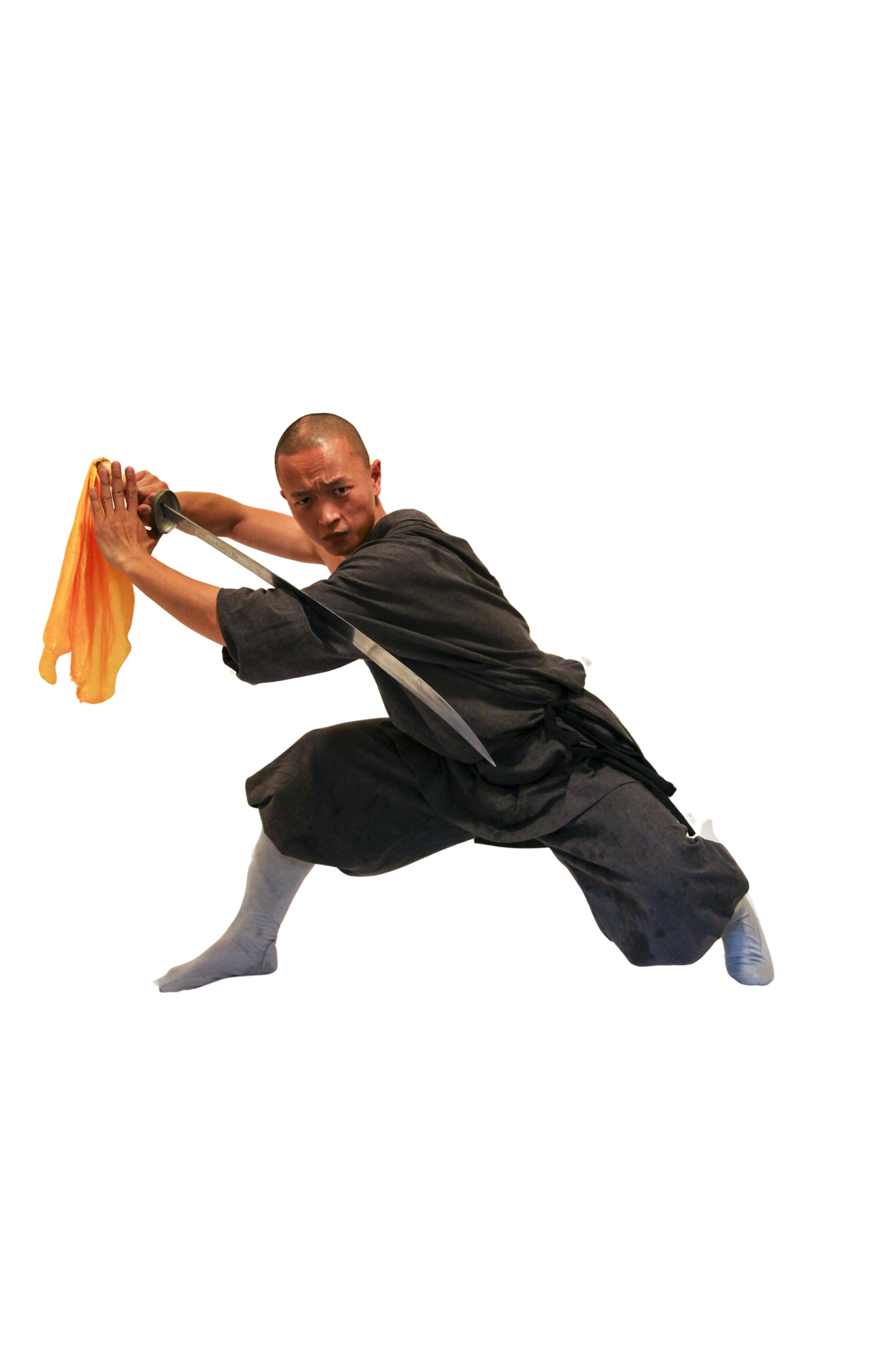
The saber is one of the most common weapons historically used in both folk martial arts and military contexts. With the evolution of Shaolin Kungfu and the demands of warfare, the saber became a primary weapon within Shaolin practices. By the end of the Ming Dynasty, Shaolin sabers were extensively utilized on the battlefield. Hao Rucheng, the leader of the local army in Dengfeng, had trained in Quan and saber techniques at the Shaolin Temple and showcased his remarkable skills during combat. Shaolin saber techniques involve a sequence of movements. Key practices in saber training include chopping, cutting, pricking, lifting, poking, winding, blocking, pushing, and knocking. It’s important to ensure that your hands, feet, shoulders, and arms move in unison with the saber when executing saber techniques. According to tradition, "the maneuver of a single sword emphasizes hand movement," "the maneuver of double swords emphasizes footwork," and "the maneuver of the broadsword emphasizes hand stability." Notable forms of saber techniques include the Shaolin Chan Tou (Wrap-around the head) Saber, Double Kun Lun Sabers, and Spring & Autumn Saber, among others.
Shaolin long lance martial technique
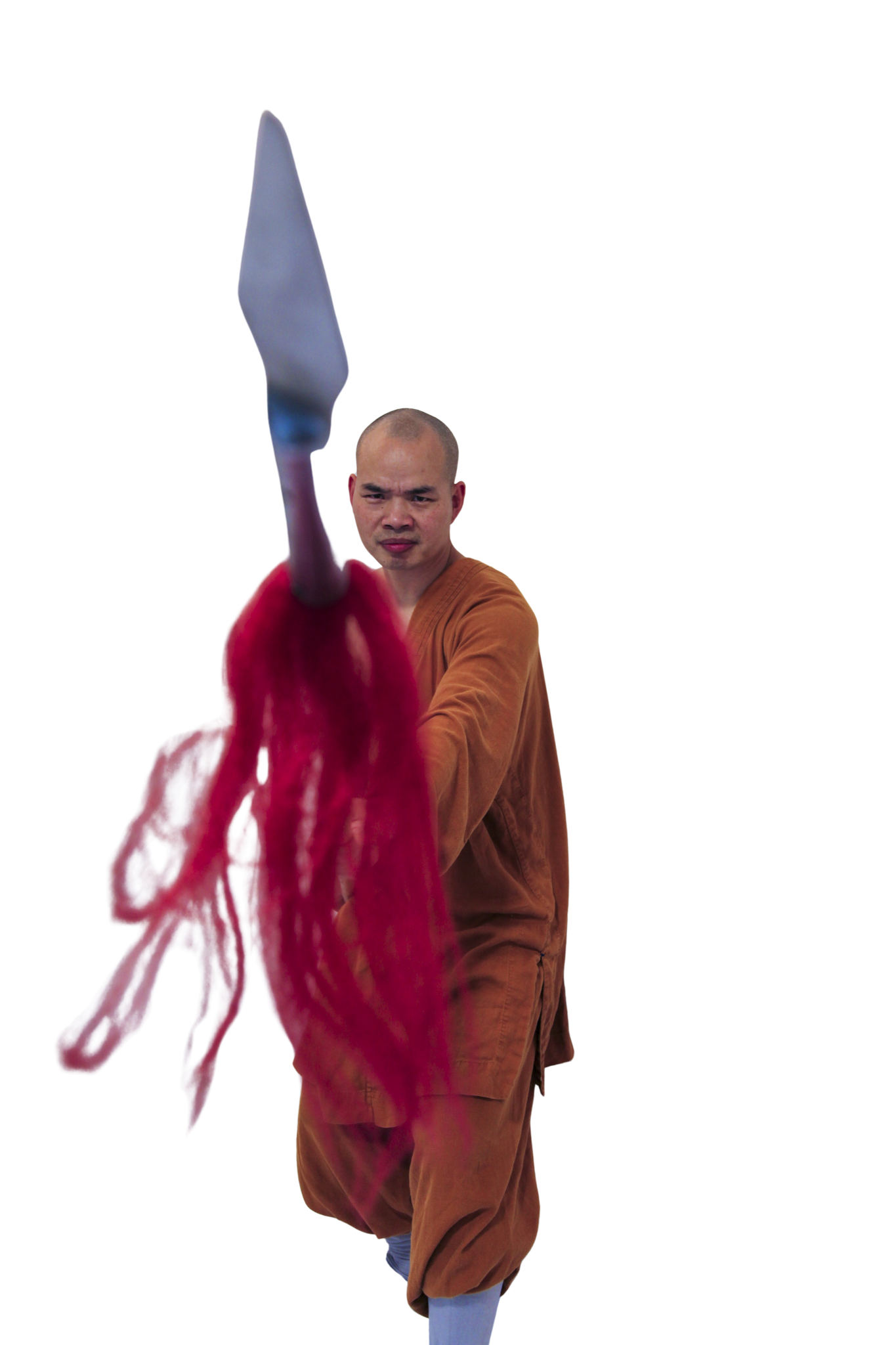
A long lance evolved from a cudgel and a spear. In ancient times, it measured about two meters in length, made of wood for the handle. One end featured an egg-shaped hammer adorned with six to eight rows of iron nails, while the opposite end had a trigonal drill. The long lance is one of the Eighteen Arms, predominantly employed in mounted combat during ancient times. It is hefty, intricate in design, and comes in various forms, making it suitable for individuals with significant strength.
The wide array of weapons wielded by Shaolin monks is known as The Eighteen Weapons. In addition to the Staff, Sabre, and Sword, it includes items like the Three-strand Fork, Spade, 9 Section Whip, and 3 Section Staff, among others.