Tai chi
The roots of martial harmony
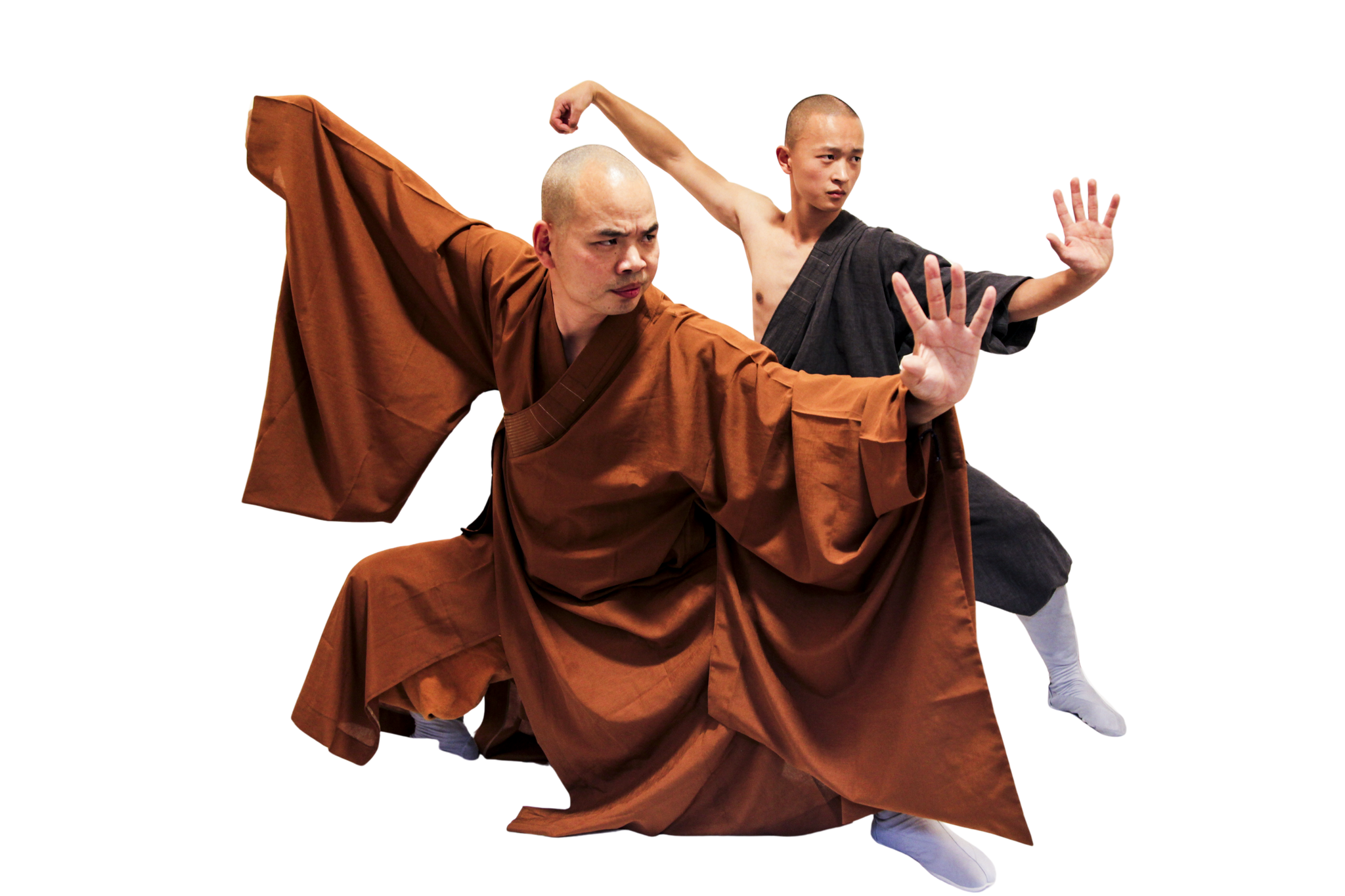
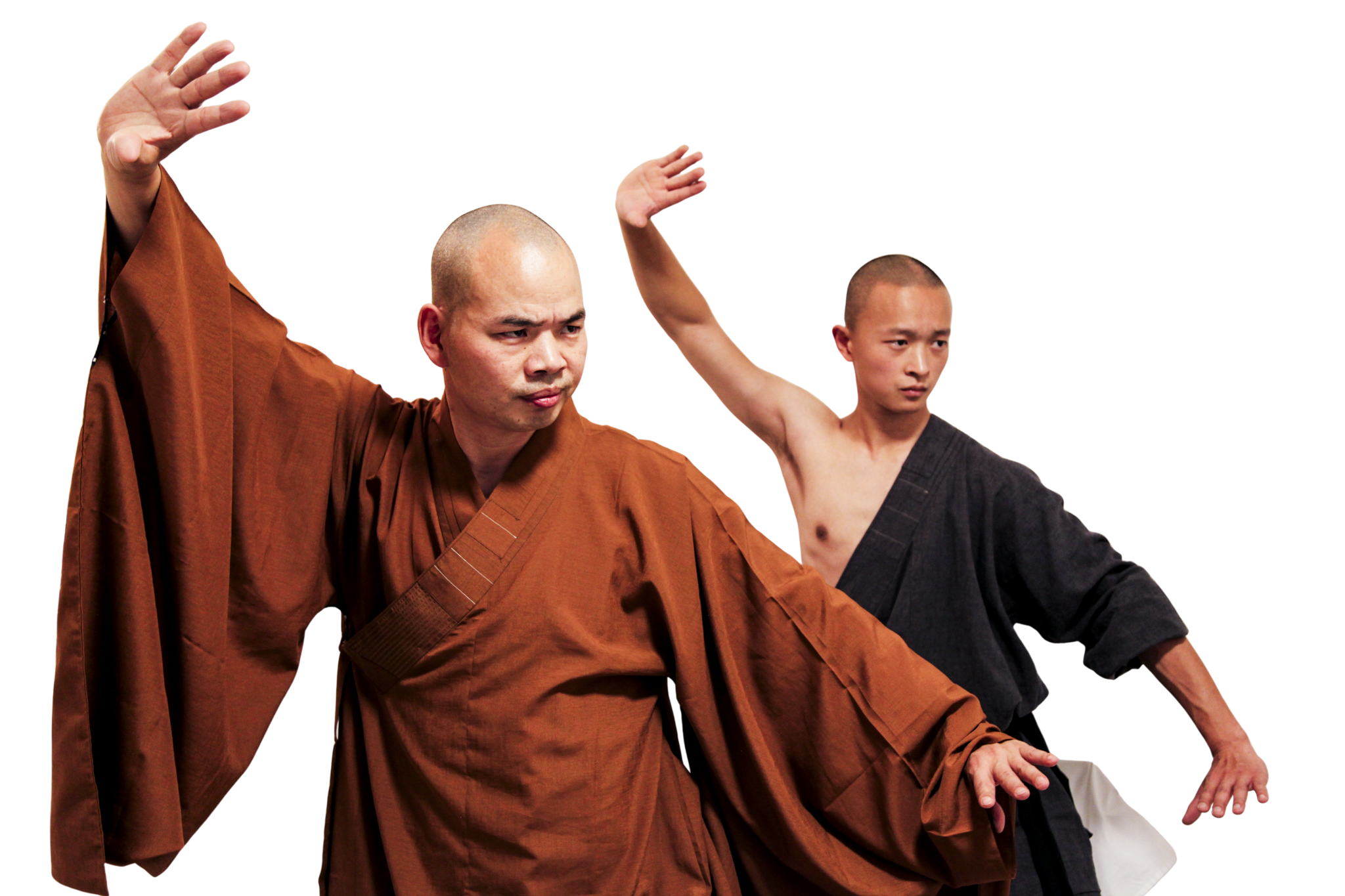
Tai Chi emerges from the deep wells of Chinese philosophy. It blends medicine, martial skill, and spiritual practice into one fluid motion.
Understanding the supreme ultimate
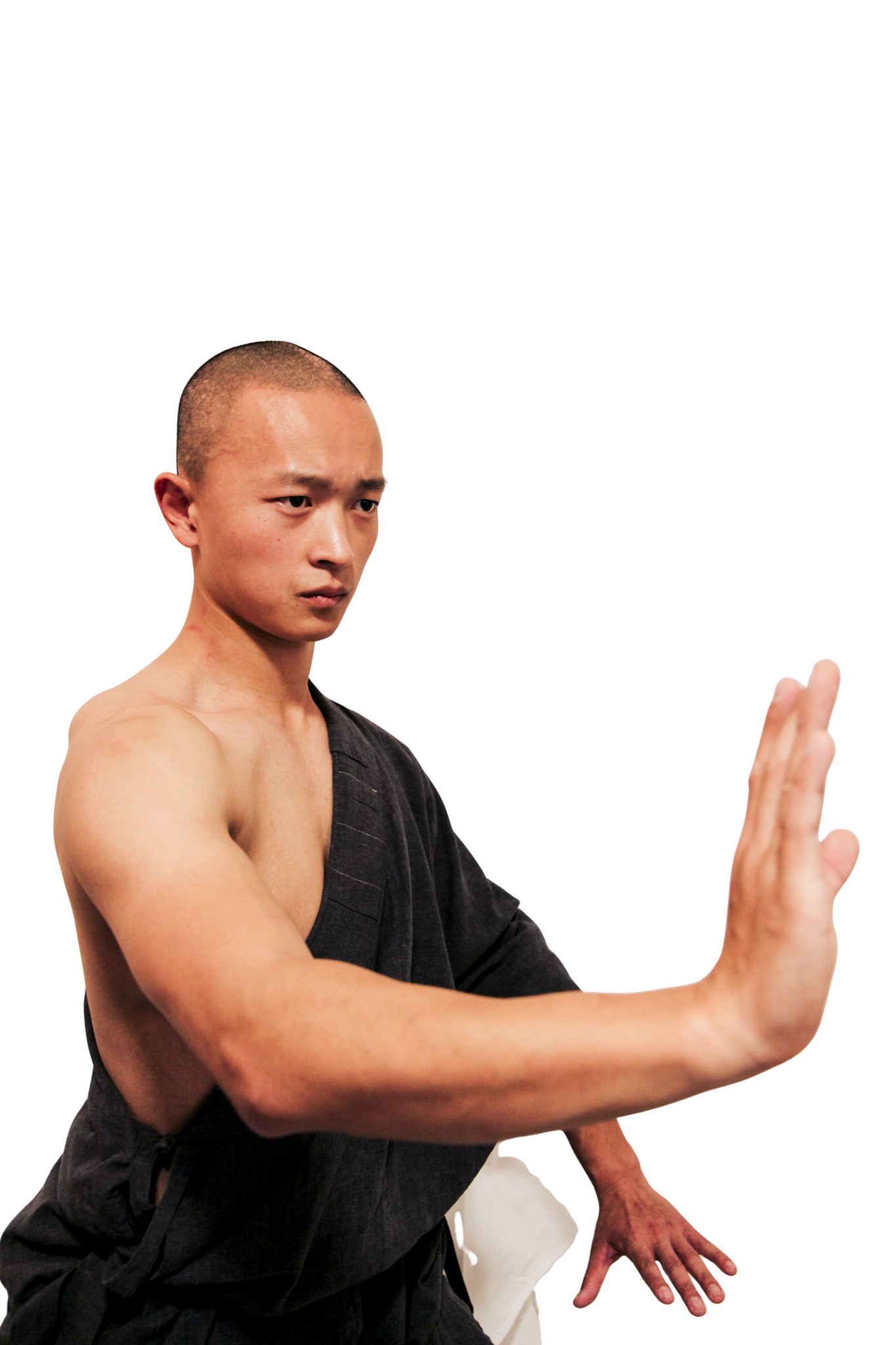
Taiji represents the dance between opposing forces. Each movement tells a story of balance and power.
Called Taiji Quan (Supreme Ultimate Fist) in Chinese, infuses the opposing yet complementary principles of yin and yang into every movement. Tai Chi is much more than the slow, controlled movements you see on the surface – you need to understand what the Supreme Ultimate is, and you need to understand yin-yang philosophy, before you can claim to fully understand Tai Chi. The philosophical concept of "Taiji" or the Supreme Ultimate, from which all of existence flows, is an important part of traditional Chinese culture, and explains why some people refer to Tai Chi as a “philosopher’s martial art”.
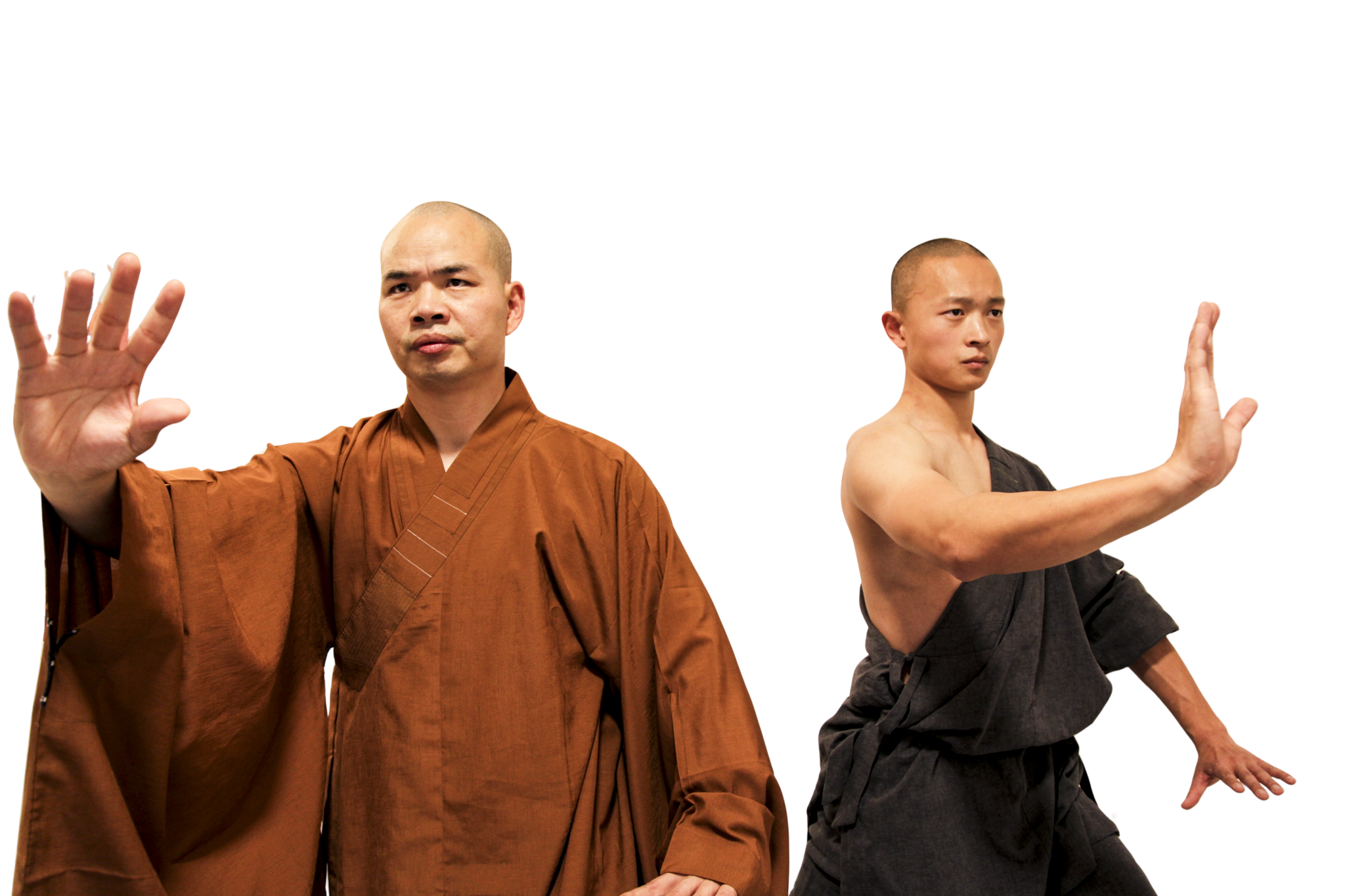
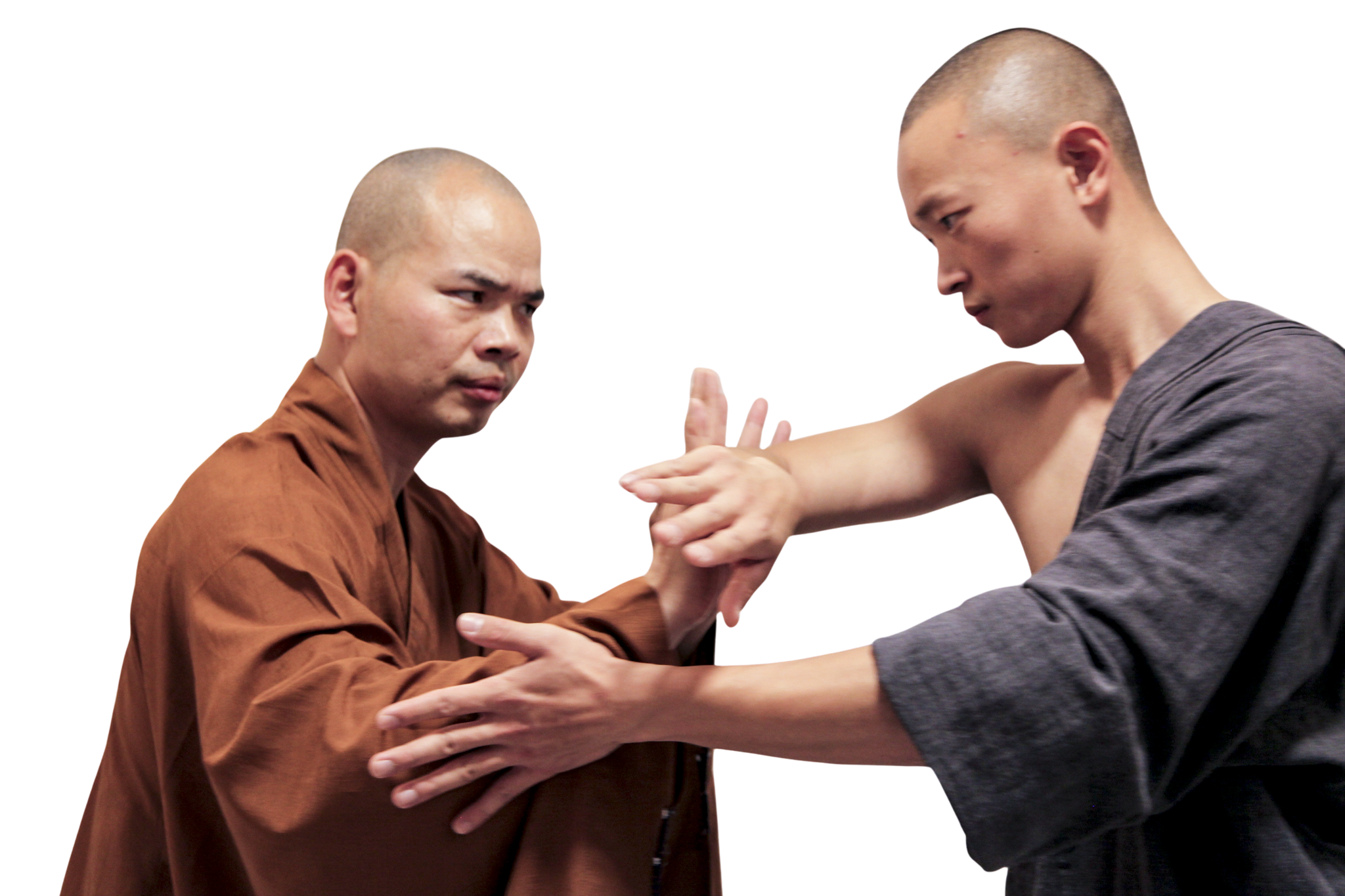
The yin-yang circle of eternal movement
Black and white blend together, each holding a hint of its counterpart. This encapsulates the essence of Tai Chi. The symbol of Tai Chi is the yin-yang, depicted as a circle split into two swirling sections—the black yin and the white yang—woven together in an infinite loop. A black dot within the white area and a white dot within the black signify that there is always a trace of yin in yang and vice versa. The S-shaped curve that separates them symbolizes the dynamic and interchangeable qualities of both sides, which remain in perfect equilibrium at all times.
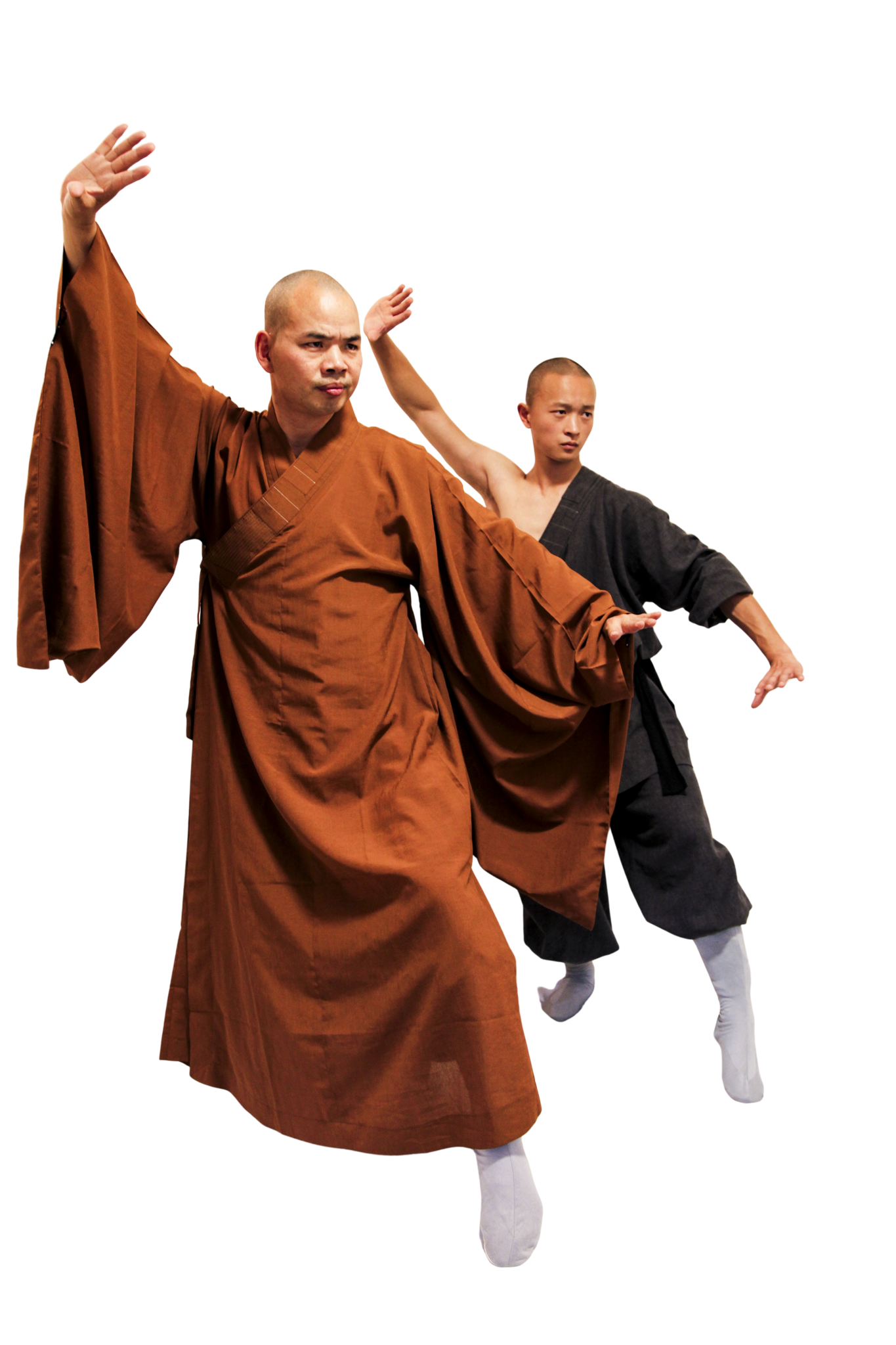
From stillness to motion the qi flows
Qi flows like a breeze through open spaces, turning potential into action and stillness into movement. The idea of Taiji stemmed from the earlier concept of wuji, an formless, boundless state that represented the universe's origin. The flow of qi (life energy) embodies both yin and yang within wuji, so practicing tai chi necessitates embodying the yin and yang of Taiji. This involves learning to generate internal power and channel this qi, allowing your body to shift from yin to yang, always recalling that yin contains yang and yang encompasses yin. Nonetheless, it's essential to remember that tai chi is a martial art intended for self-defense. Martial arts can generally be categorized into internal or 'soft' styles and external or 'hard' styles, but they all share a common characteristic: they can be applied for both attack and defense. This principle holds true for tai chi as well.
The art of soft and hard defense
Therefore, Tai Chi can be thought of as a medium, something that conveys different philosophies and different cultures to create a unique martial art. Tai Chi brings Chinese kung fu together with the concept of yin and yang and traditional Chinese medicine to form a complete philosophical system. Its mantra is to achieve peace and harmony through the understanding of Taiji and the balance of yin and yang.
Tai Chi is suitable for all ages, from children and adults to the elderly. Long-term practice can increase longevity and help address any issues with your joints, muscles, or circulation.